ESG Investing Strategy 2025 for Sustainable Portfolios: Building Ethical Wealth
The conversation around investing has shifted dramatically in the past decade. Once, success was measured purely by financial returns. Today, investors are increasingly asking: What impact does my money have on the world? This is where ESG—Environmental, Social, and Governance—investing has stepped in. As we enter 2025, an ESG investing strategy for sustainable portfolios isn’t just a trend. It has become an essential framework for anyone seeking long-term returns while aligning wealth with ethical values.
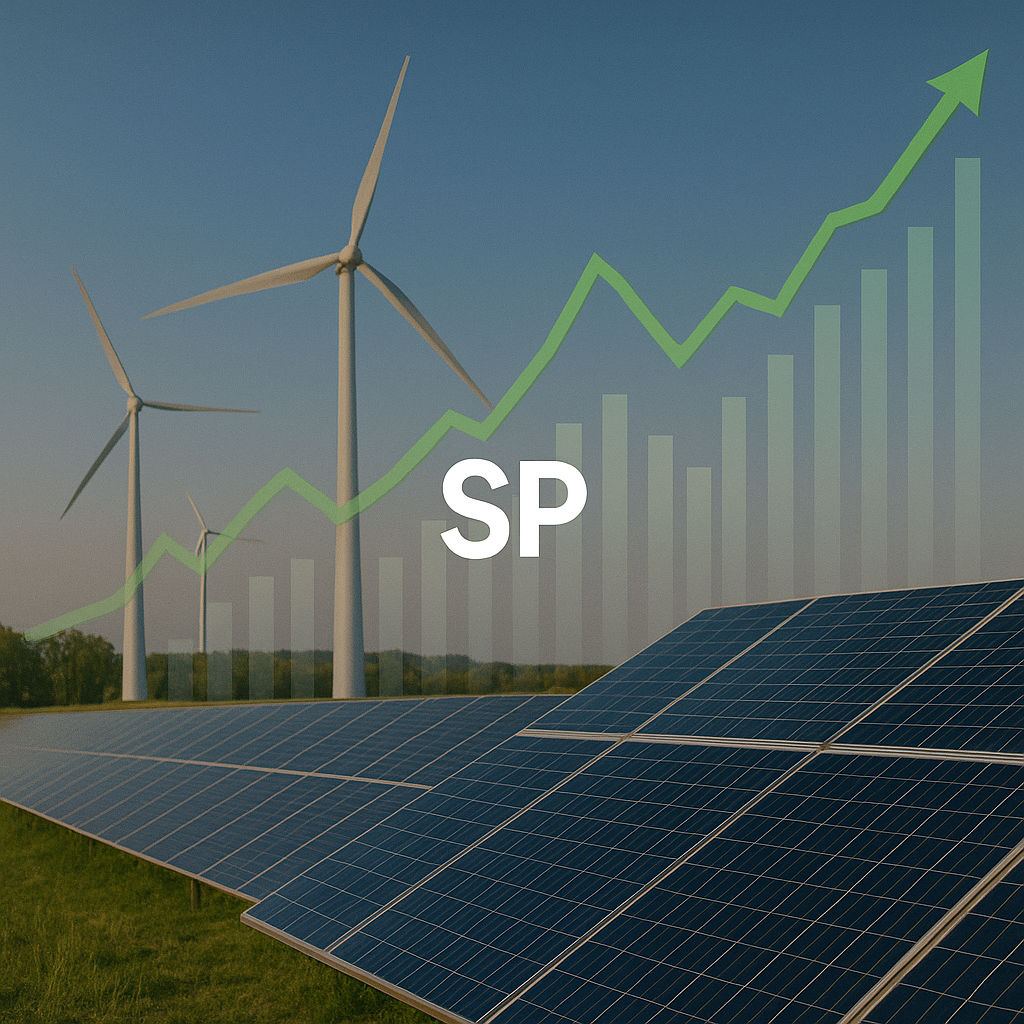
Why ESG Matters More Than Ever
Climate change, social inequality, and corporate governance scandals have made investors more aware of how businesses operate beyond their bottom lines. In 2025, global regulators are also tightening ESG disclosure requirements, making it easier to compare companies based on their environmental and social practices.
For investors, this means that sustainable portfolios are no longer built on assumptions. Instead, data-driven ESG metrics provide clear signals about a company’s resilience to climate risks, its treatment of employees, and its transparency in governance. Ethical wealth today is not just about “doing good.” It is about mitigating risks that can directly affect long-term returns.
Core Principles of an ESG Strategy in 2025
An effective ESG investing strategy begins with alignment. You need to define what sustainability means to you. For some, it’s reducing carbon emissions; for others, it’s supporting diversity and inclusion. Once the values are clear, portfolio construction becomes a targeted process.
In 2025, most sustainable investors follow three key principles:
Integration: ESG factors are embedded directly into financial analysis rather than treated as separate screens.
Engagement: Investors actively engage with companies to improve ESG practices instead of simply excluding them.
Impact Measurement: Success is measured not only by returns but also by measurable ESG outcomes such as reduced emissions or improved workplace safety.
Building a Sustainable Portfolio
Practical implementation often starts with exchange-traded funds (ETFs). ESG-focused ETFs have grown significantly in 2025, offering investors diversified exposure to companies that meet sustainability criteria. For example, there are ETFs dedicated to clean energy, gender equality, and even circular economy practices.
Green bonds are another tool gaining popularity. These fixed-income securities are issued to fund environmental projects like renewable energy or sustainable infrastructure. They offer steady returns while contributing directly to climate solutions. For risk-averse investors, green bonds provide a strong complement to equity-heavy portfolios.
Balancing Ethics and Returns
A common concern among new investors is whether ESG strategies sacrifice performance. Recent studies show the opposite. In fact, many ESG funds outperformed traditional benchmarks during market downturns, largely because companies with strong governance and environmental practices tend to be more resilient.
Still, balance is key. Ethical investing doesn’t mean ignoring fundamentals. Financial health, competitive advantage, and industry trends remain critical. ESG is an added lens, not a replacement. The best portfolios combine traditional analysis with ESG insights for stronger overall performance.
Tools and Routines for Everyday Investors
In 2025, technology has made ESG investing more accessible. Apps and robo-advisors now allow individuals to filter portfolios based on personal values. For example, if you don’t want your money in fossil fuels, the system automatically adjusts allocations toward clean energy and sustainable tech.
A sustainable portfolio also requires routine reviews. Setting aside time each quarter to evaluate both financial performance and ESG metrics helps ensure alignment with long-term goals. For small investors, this habit creates discipline and prevents drifting into unsustainable holdings.
Final Thoughts
An ESG investing strategy for sustainable portfolios in 2025 is not about chasing headlines. It’s about building wealth responsibly, mitigating risks, and ensuring that financial growth does not come at the expense of the planet or society.
For those new to the field, start small. Allocate a portion of your portfolio to ESG funds or green bonds, track the impact, and expand over time. For seasoned investors, continue engaging with companies and demanding transparency.
The journey toward ethical wealth is ongoing, but with ESG strategies now firmly embedded in mainstream investing, the tools and data are ready. The next step is yours—align your money with your values and watch both your portfolio and your impact grow 🌍.
In the main article, we explored the core elements of an ESG investing strategy for sustainable portfolios. Now, let’s move beyond the theory and focus on the practical experience of applying ESG principles in everyday investing. For many small investors, ESG can feel abstract—numbers, ratings, and acronyms that don’t immediately connect to daily choices. But once you start integrating ESG into your investment habits, it becomes far more tangible.
One of the first steps is redefining success. Traditional investing measures only returns, but ESG investors ask a dual question: Am I growing my wealth, and am I contributing positively to society? This dual perspective reshapes decision-making. For instance, you might choose an energy company that invests heavily in renewables even if its short-term returns lag behind a fossil-fuel competitor. Over time, such choices align your money with the future you want to see.
Another important practice is diversification within ESG. Many new investors mistakenly assume ESG portfolios are limited, but in 2025 the landscape is broad. You can invest in clean energy, sustainable agriculture, water conservation, gender equity, or corporate governance leaders. By spreading investments across these categories, you not only reduce risk but also support multiple dimensions of sustainability.

The role of personal values cannot be overstated. ESG investing is not one-size-fits-all. For some, eliminating tobacco or weapons companies is the top priority. For others, the focus is on labor rights or climate action. Modern ESG tools allow customization—filtering funds based on your specific values. Building a portfolio that reflects your personal priorities makes the process more meaningful, and that emotional connection often strengthens long-term commitment.
Technology is also transforming ESG routines. Today, robo-advisors and mobile apps provide ESG scores next to financial metrics, making it easier to compare companies at a glance. Many platforms now include “impact dashboards” showing how much carbon your portfolio offsets or how many women leaders your investments support. This feedback loop makes ESG progress visible, which motivates investors to stay engaged.
Engagement with companies is another critical aspect. Sustainable portfolios don’t just passively hold stocks; they can actively shape corporate behavior. Investors are increasingly voting on shareholder resolutions that push companies toward better practices. Even small investors can join collective groups that pool votes for greater influence. This activism shows that investing is not only about ownership but also about responsibility.
It’s also worth discussing the long-term mindset. ESG investing is not a quick-profit approach. Sometimes, ESG funds may underperform in booming markets where unsustainable industries surge. But resilience is the payoff. When crises hit—whether environmental disasters, governance scandals, or regulatory changes—companies with strong ESG practices often outperform. Patience, therefore, is part of the ESG investor’s toolkit.
Finally, consistency matters. Building an ESG routine is like building any healthy habit. Schedule regular portfolio reviews, update your values as life evolves, and reinvest dividends thoughtfully. For some, this might mean quarterly check-ins; for others, a yearly deep dive. The important thing is not perfection but persistence. Over time, even small, consistent steps compound into meaningful impact and wealth.