Sustainable Investing Strategies: Building Ethical Wealth in a Climate-Risk World 🌍
Hey everyone! 👋 Over the past few years, I’ve noticed a huge shift in how people talk about money. It’s no longer just about chasing the highest returns—it’s also about how those returns are made. That’s where sustainable investing strategies come into play. If you’ve ever wondered how to grow your wealth while aligning with your values and protecting against climate risk, this post is for you.
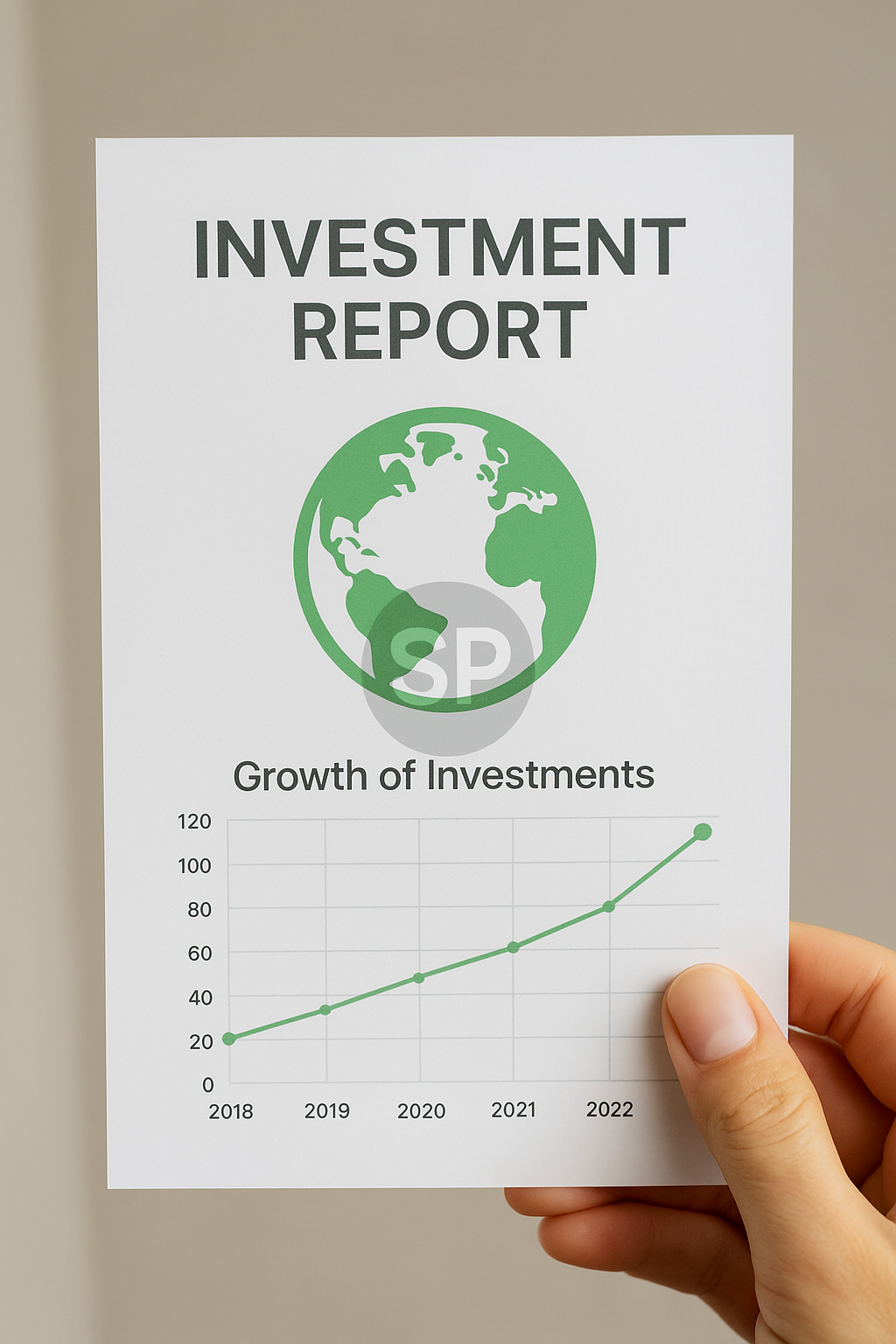
At its core, sustainable investing strategies aim to balance profit with responsibility. Investors are no longer ignoring climate data or social impact; they’re using it as part of their decision-making process. One of the easiest ways to start is by creating an ESG portfolio—that means selecting companies that score well in environmental, social, and governance criteria. Personally, when I shifted part of my retirement fund into ESG-focused ETFs, I felt more confident about the future—not just financially but ethically too.
Another dimension is climate risk investing. We’ve seen floods, wildfires, and heatwaves disrupt entire industries. Ignoring these risks can directly hurt portfolios. Sustainable strategies look at which companies are resilient, adapting their supply chains, or moving into renewable energy. A friend of mine avoided heavy losses in the energy sector simply because he considered climate risk early and diversified into green finance products.
Speaking of green finance, it’s not just a buzzword. From green bonds to renewable infrastructure funds, these instruments allow investors to support climate-friendly projects while still generating steady income. When I first purchased a small amount of green bonds, I was surprised at how competitive the yields were compared to traditional bonds. It showed me that sustainability doesn’t always mean sacrificing returns.

But sustainable investing isn’t limited to institutions. Everyday investors can embrace ethical wealth building by aligning personal budgets with their values. For example, choosing robo-advisors that offer ESG portfolios, or avoiding sectors like tobacco and fossil fuels, are practical ways individuals are shaping markets. I’ve had conversations with younger colleagues who say they’d rather earn slightly less than invest in industries they fundamentally disagree with. That mindset is driving real change.
Let’s not forget impact investing tips. Impact investing goes a step further: it’s about actively targeting measurable social or environmental outcomes. Think microfinance in developing countries, renewable energy startups, or affordable housing projects. I once met an investor who backed a solar project in Southeast Asia. His returns weren’t just financial—he also saw local communities gain access to reliable power for the first time. That’s impact you can feel.
Of course, every strategy has trade-offs. ESG funds can sometimes charge higher fees, and impact investments may require longer time horizons. But in my view, the benefits outweigh the drawbacks. By combining sustainable investing strategies with traditional diversification, you get the best of both worlds: competitive returns and peace of mind.
The bottom line? Sustainable investing is no longer niche. It’s a mainstream movement reshaping finance. Whether you’re a cautious investor or a passionate changemaker, now is the time to explore sustainable investing strategies that protect your portfolio and help build a better world. 🌱
What I’ve learned from exploring different sustainable investing strategies is that it’s not a passing trend—it’s a long-term shift in how people view money and responsibility. A decade ago, the majority of investors were still skeptical about ESG. Today, some of the world’s largest funds are actively reshaping their holdings to include renewable energy, social equity projects, and governance-driven reforms. This shows that sustainable finance is not only viable but increasingly essential for long-term stability.
A practical way to start is by experimenting with an ESG portfolio on a smaller scale. Many digital platforms now offer low-entry funds that allow you to test the waters without committing huge amounts. I’ve seen beginners allocate just 10% of their savings to ESG ETFs, then gradually increase as they became comfortable with the results. What’s interesting is that these portfolios often track or even outperform traditional indexes, particularly when industries sensitive to climate risk investing experience setbacks.
Speaking of climate risk, it’s no longer theoretical. Entire sectors—agriculture, insurance, real estate—are being affected by unpredictable weather patterns. Using sustainable investing strategies means building resilience into your portfolio. For example, focusing on companies with strong disaster-preparedness measures or diversifying into renewable infrastructure reduces vulnerability. I once analyzed a case where two similar funds diverged sharply: one ignored climate data, the other integrated it. The latter fund maintained steady returns while the former struggled with volatility.
Another fascinating aspect is the role of green finance. Governments and institutions are pushing for more climate-friendly instruments. Green bonds, for instance, are not only about supporting renewable projects; they’re also becoming a reliable part of balanced portfolios. One investor I know uses them as a hedge—safe returns while still contributing to broader sustainability goals. It’s an example of how ethical wealth building doesn’t have to sacrifice profitability.
The human side of investing also deserves attention. Through impact investing tips, I’ve learned that connecting with the story behind an investment makes it more meaningful. Whether it’s financing clean water projects in rural communities or supporting startups building low-cost housing, the sense of purpose adds value beyond financial returns. People often underestimate how this emotional connection can reinforce long-term commitment to a portfolio.

Of course, challenges remain. Building sustainable portfolios requires ongoing research, and not every company advertising ESG credentials lives up to the standards. Greenwashing is real. But with careful screening, the advantages outweigh the risks. Investors who embrace sustainable investing strategies are not just protecting themselves from climate and social shocks—they’re also influencing companies to do better.
In my view, this is where the future of finance is headed. Markets will continue to reward transparency, responsibility, and resilience. For investors willing to align values with growth, sustainable investing offers not just returns, but relevance in a rapidly changing world.