Am I Doing Meaning-out Too? Escaping Greenwashing Through Ethical Investing
Hey there! Have you ever caught yourself pausing before making a purchase and asking, “Does this really align with my values?” 😊 These days, it’s not only about buying organic food or carrying a reusable cup. A new trend has taken root, especially among younger generations: meaning-out. Instead of staying silent, people actively show their values through the brands they support and the investments they make. And when it comes to money, this mindset is transforming the way we think about the future. But here’s the catch—how do we know if what we’re supporting is truly ethical, or just another form of greenwashing?

I remember a friend who got excited about a “sustainable fund” that promised big ESG returns. At first, it sounded inspiring—who wouldn’t want to grow wealth while saving the planet? 🌍 But after digging deeper, it turned out that half of the companies in the fund were tied to fossil fuels. This is the frustrating reality many investors face: flashy labels, but little real impact. So, how do we escape this trap? Let’s break it down step by step.
Understanding Meaning-out in Daily Life
Meaning-out isn’t just about what you buy—it’s about the values you express openly. Imagine wearing a T-shirt with a climate slogan or choosing an airline that offsets carbon emissions. In finance, this shows up as investing in ethical funds, sustainable bonds, or climate-conscious startups. Data from Deloitte shows that nearly 60% of Gen Z investors say they would stop supporting a company if they discovered greenwashing. This isn’t just “trendy behavior.” It’s a cultural shift in how money reflects identity. 😊
Spotting Greenwashing Before It Hurts You
Greenwashing often hides behind buzzwords like “eco-friendly” or “net zero.” But investors need to check the fine print. For example, does a company disclose its Scope 1, 2, and 3 emissions? Without full transparency, it’s almost impossible to trust their claims. A 2024 study revealed that 70% of ESG-labeled funds had inconsistencies in reporting their environmental impact. So the key is not to stop at glossy brochures—dig deeper, and ask uncomfortable questions.
Building an Ethical Investment Portfolio That Works
Creating an ethical portfolio doesn’t mean sacrificing returns. In fact, MSCI data shows that ESG funds often outperform traditional funds during market downturns. Think of renewable energy ETFs, green bonds, and companies committed to RE100 (100% renewable energy). It’s like planting seeds today 🌱—they may grow slower at first, but in the long run, they build a healthier ecosystem for your finances and the planet. I once shifted part of my portfolio into clean energy stocks, and though short-term volatility was nerve-racking, the five-year gains were proof of their resilience.
Balancing Profit and Purpose Without Guilt
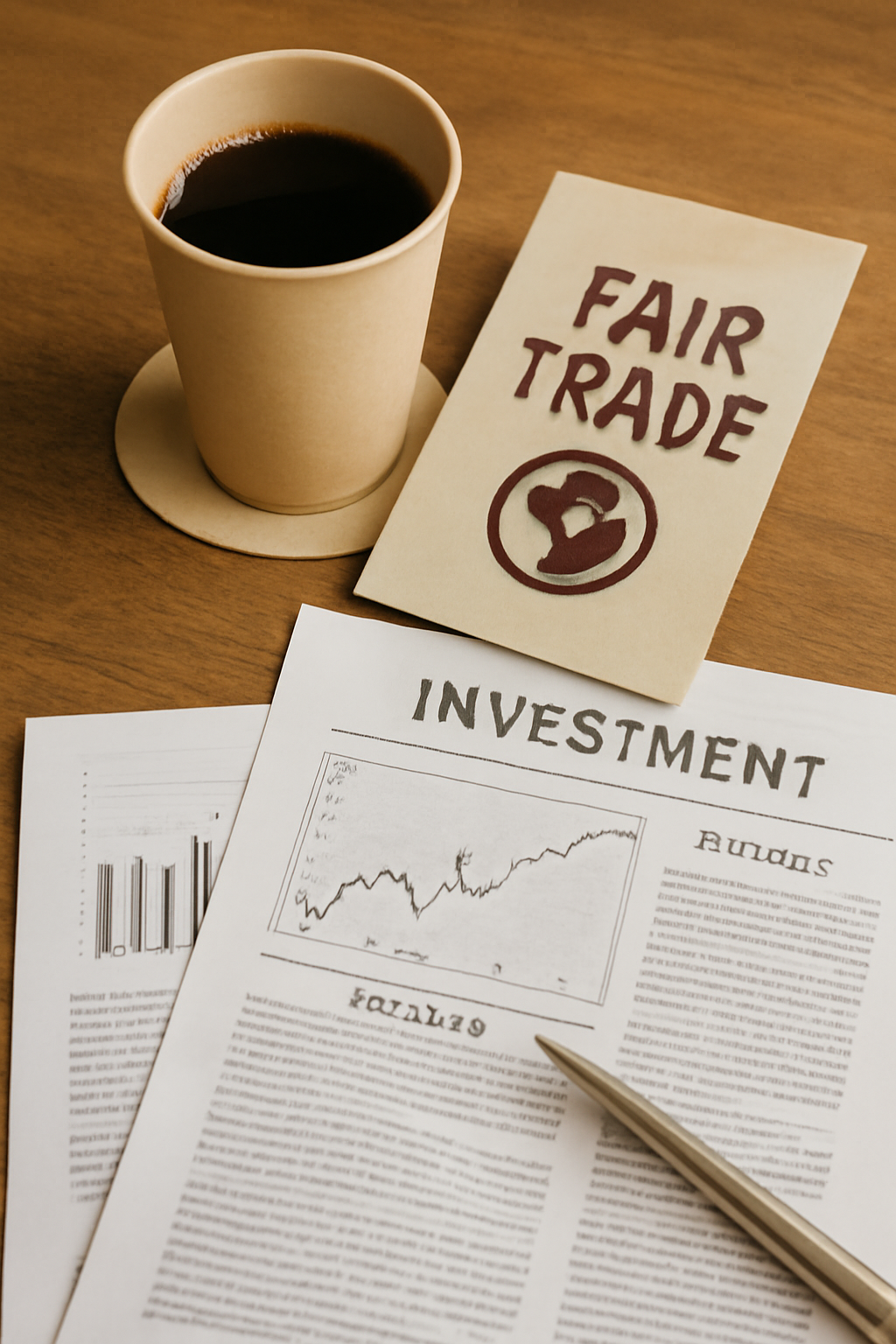
Many people fear that ethical investing means earning less. But is that really true? Studies from Morningstar in 2023 showed that 54% of sustainable funds outperformed their peers. This tells us that aligning with your values doesn’t automatically mean losing money—it just requires patience and smart choices. Think of it like buying fair-trade coffee ☕: it costs a little more upfront, but the long-term value—both ethically and economically—is undeniable.
Taking Small, Consistent Steps
No one needs to be perfect. Ethical investing can start small: moving a portion of savings into a sustainable ETF, supporting local green startups, or even checking your bank’s fossil fuel policies. The point isn’t to be flawless, but to make steady choices that align with your principles. And here’s the interesting part: when investors consistently reward ethical companies, it creates a ripple effect. Corporations realize that greenwashing won’t pay off in the long run, and genuine change becomes the smarter business decision.
Of course, mistakes happen. I once backed a company that claimed to be carbon neutral, only to find out their offsets were questionable. It was disappointing, but it also taught me to be more thorough. And maybe that’s the beauty of this journey—it’s not about being perfect, it’s about learning, adjusting, and keeping values at the center of every financial move.
So, are you practicing meaning-out without even realizing it? Maybe by avoiding certain brands, or by supporting a green fund your bank offers? The important thing is to pause, question, and make intentional choices. Because at the end of the day, ethical investing isn’t just about returns—it’s about shaping a future where your money tells a story you’re proud of. 🌟

The conversation around ethical investing doesn’t end with spotting greenwashing or shifting money into sustainable funds. In fact, the deeper you go, the more you realize how interconnected finance, culture, and personal values have become. What seems like a small choice—moving a fraction of your portfolio into ESG-friendly assets—can actually reflect a profound statement about how you see your role in society. 🌍
Think about this: ten years ago, most people rarely asked their banks or pension funds about climate policies. Today, more than 70% of young investors in global surveys say they want their money to “match their morals.” That is meaning-out at work—not just wearing your values, but embedding them into your financial footprint. And yet, the tension remains: how do we ensure those values don’t get lost in flashy marketing campaigns that promise “net zero” without substance?
One of the most revealing case studies I’ve come across involved a European fund that promoted itself as a pioneer in ethical investing. Advertisements showed solar panels, wind farms, and happy communities. But once researchers dug into the holdings, it turned out that nearly 30% of the portfolio included companies with ties to coal and oil. Investors felt betrayed, not because they lost money, but because their trust was broken. This shows why ethical investing isn’t just about financial return—it’s also about emotional return. When you discover that your efforts toward sustainability were misled, the disappointment can feel personal. 😔
On the flip side, there are success stories that highlight the power of consistency. Consider renewable energy ETFs that have steadily grown over the last decade. Despite market ups and downs, they attracted billions of dollars in inflows. Why? Because investors believed in the long-term trajectory of clean energy. And in moments when oil prices spiked, these funds often proved more stable than expected. It’s like planting trees in your backyard—you don’t measure success after a week, but after years of shade and oxygen. 🌱
But ethical investing isn’t only about the environment. Social factors—like labor rights, diversity, and community impact—are equally important. I once spoke with a professional who chose to invest in companies with strong gender equity policies. At first, it seemed like a niche strategy, but over time those companies actually outperformed industry averages in employee retention and innovation. It was a reminder that fairness in the workplace often translates into long-term resilience.
Another dimension that often gets overlooked is governance. A company may boast about renewable energy, but if its board is filled with conflicts of interest, how trustworthy is that promise? Studies have shown that firms with transparent governance practices are 20–30% less likely to engage in greenwashing. So, in many ways, governance isn’t just the “G” in ESG—it’s the glue that holds the entire ethical framework together.
Of course, challenges remain. Ethical investments can still be volatile. Clean energy stocks, for example, have soared and plunged dramatically in the last few years. Some investors panicked and sold too soon, missing out on long-term gains. Others questioned whether aligning money with morals was worth the emotional rollercoaster. These are valid concerns. But here’s an important question to ask yourself: What kind of story do I want my money to tell? If the answer involves resilience, integrity, and a positive legacy, then the ups and downs might feel less like a burden and more like a natural part of growth.

Interestingly, ethical investing also has a ripple effect beyond the financial world. When large funds divest from polluting industries, it pressures governments and corporations to speed up their sustainability agendas. In 2024 alone, global divestment from fossil fuels reached over $40 trillion in commitments. That’s not just a symbolic number—it represents a massive cultural shift. Money talks, and when it speaks loudly enough, entire industries listen. 💡
So where does that leave us, as individual investors? The truth is, no one needs to be perfect. You don’t need to have a flawless ESG portfolio overnight. You might still own shares in a company that isn’t fully aligned, and that’s okay. The key is to move intentionally, ask the right questions, and stay engaged. Ethical investing isn’t a checkbox—it’s a continuous dialogue between your wallet and your world.
At the end of the day, meaning-out through finance is about more than returns or labels. It’s about courage. The courage to look past greenwashing, to demand transparency, and to align your financial path with your personal values. And maybe that’s what makes ethical investing so powerful: it’s not only about shaping markets, but also about shaping yourself. 🌟
'ESG Portfolio Planning' 카테고리의 다른 글
| ESG Investing 2025: Building Wealth While Making a Positive Impact (0) | 2025.08.26 |
|---|---|
| ESG Investing in 2025: Smart Strategies for Sustainable Wealth Growth (0) | 2025.08.23 |
| ESG Management in Practice (0) | 2025.08.17 |
| Building an Ethical Investment Portfolio (0) | 2025.08.14 |
| Ethical Investment Routines for a Resilient Future (0) | 2025.08.12 |