Ethical Investment Routines for a Resilient Future: ESG and Climate Risk Strategies
Main Content
Traveling toward financial growth in today’s world means navigating not just numbers and charts, but also values and responsibilities. Ethical investing is no longer a niche for the few—it’s becoming a powerful force in shaping global markets. By aligning your investments with ESG (Environmental, Social, and Governance) standards, you are not only seeking returns but also influencing the future of our planet. This isn’t about compromising profit; it’s about redefining what “profit” means in a sustainable economy.
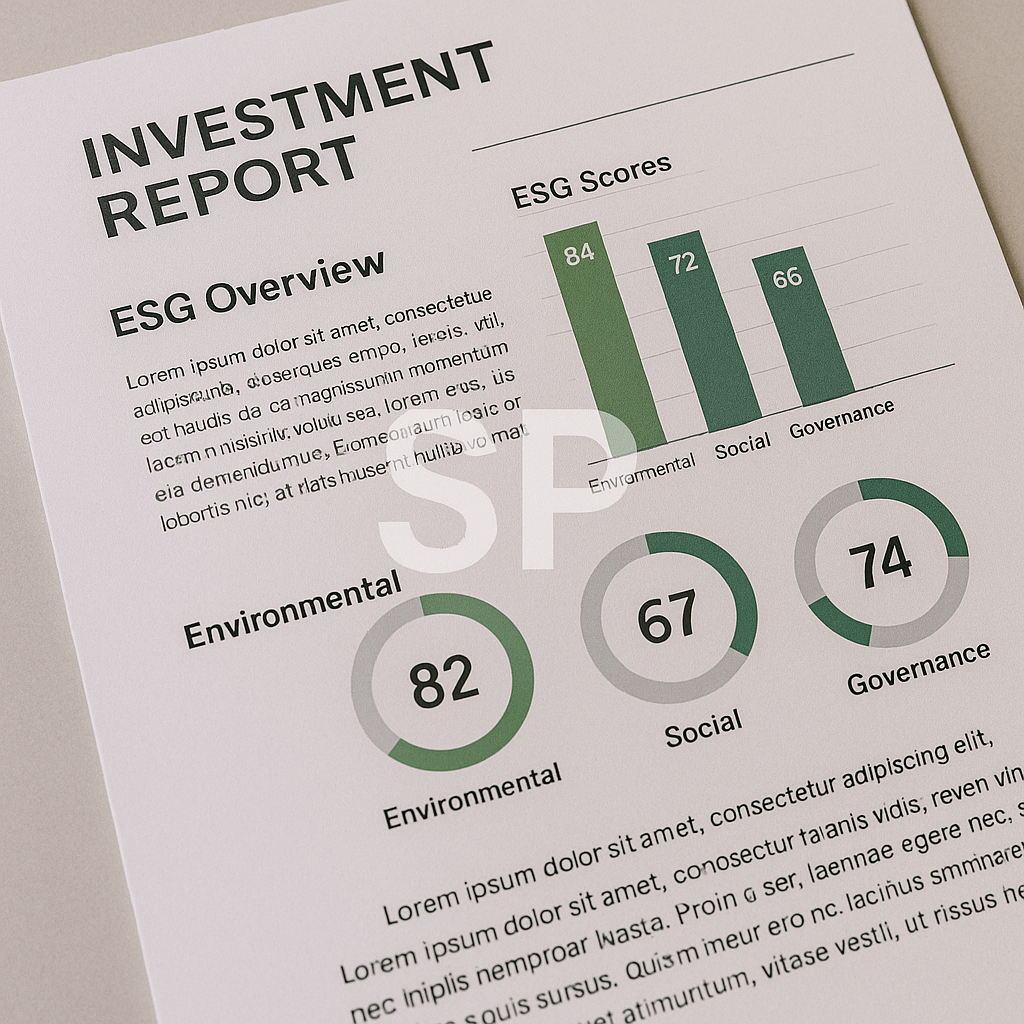
The beauty of ethical investing lies in its dual impact: your portfolio grows while your principles are honored. Start by screening potential investments for their ESG ratings. Many platforms now provide transparent metrics that detail a company’s environmental impact, labor practices, and governance policies. Use these insights to create a shortlist of opportunities that align with both your financial goals and your ethical compass.
Once you have your list, integrate climate risk assessments into your decision-making. Climate change poses material risks to nearly every sector—from agriculture to manufacturing—and ignoring these can lead to unexpected losses. Forward-looking investors are now factoring in climate adaptation strategies of companies, such as renewable energy adoption, carbon footprint reduction, and supply chain resilience.
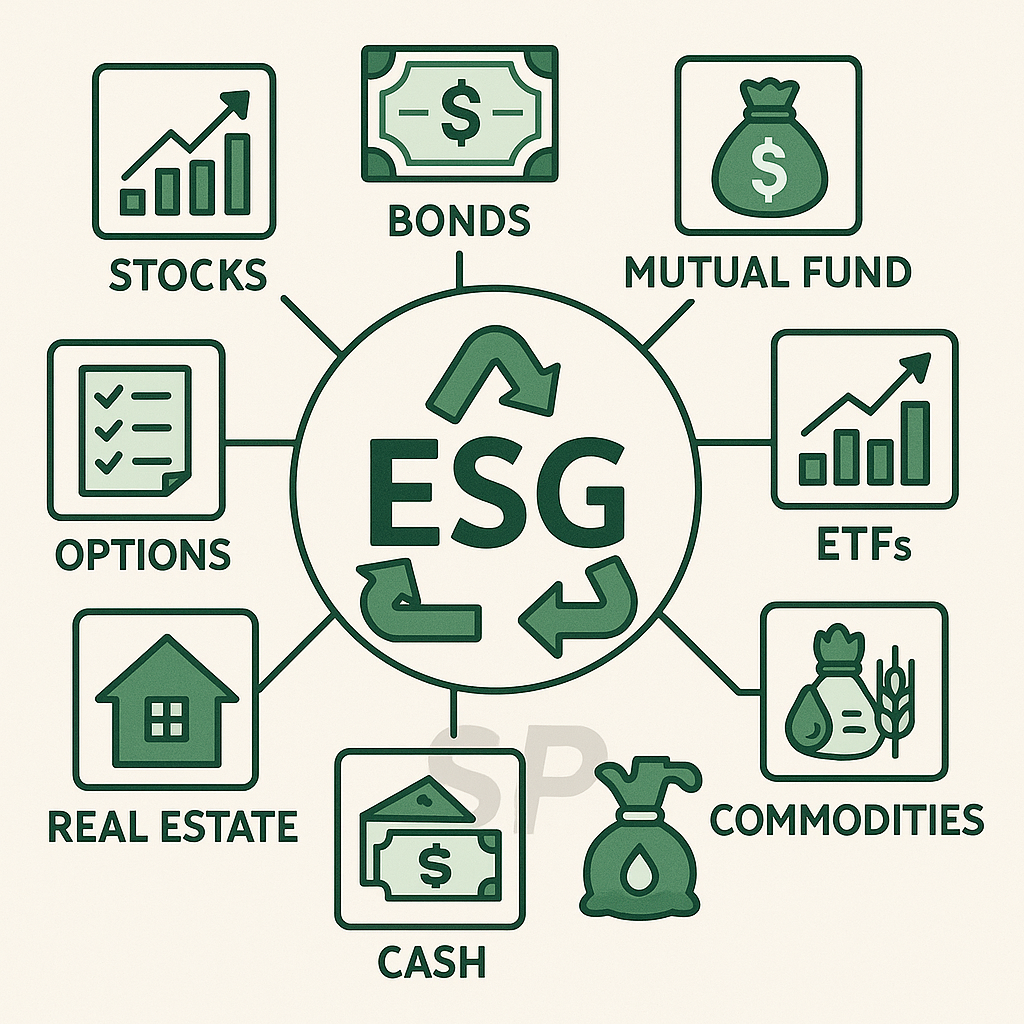
It’s also worth diversifying geographically and across asset classes. Ethical funds, green bonds, and ESG-focused ETFs offer entry points without requiring you to research every single company. This balance of diversification and values-based selection can reduce volatility while keeping your investments aligned with long-term sustainability goals.
Routine is the key to consistency. Set a quarterly review schedule to track ESG performance, assess climate risk updates, and rebalance if necessary. Markets evolve, and so do corporate practices—what was “green” last year might not be as impactful today. Having a repeatable routine ensures your portfolio remains both profitable and principled.

Finally, remember that ethical investing is also about influence. Share your journey with peers, join forums or networks of like-minded investors, and use your voice to encourage companies to adopt stronger ESG practices. The ripple effect of your actions can go far beyond your personal returns, contributing to a global movement toward responsible capitalism.
In the realm of modern finance, ethical investing has shifted from a niche interest to a mainstream necessity. The urgency of climate change, coupled with heightened social awareness, is reshaping how capital flows across industries. Investors are no longer satisfied with chasing profits in isolation—they want their portfolios to reflect their values, shaping a more sustainable and responsible future. This shift is not only ethical but also strategic, as companies that prioritize ESG (Environmental, Social, Governance) principles often show greater resilience against market volatility.
The journey begins with awareness. Understanding ESG criteria means recognizing the interconnectedness between environmental stewardship, social responsibility, and corporate governance. Environmental metrics cover everything from carbon emissions to biodiversity impact. Social factors range from labor rights and workplace diversity to supply chain ethics. Governance speaks to transparency, leadership accountability, and ethical decision-making. Each of these areas influences a company’s long-term viability, making them essential filters for sustainable investing.
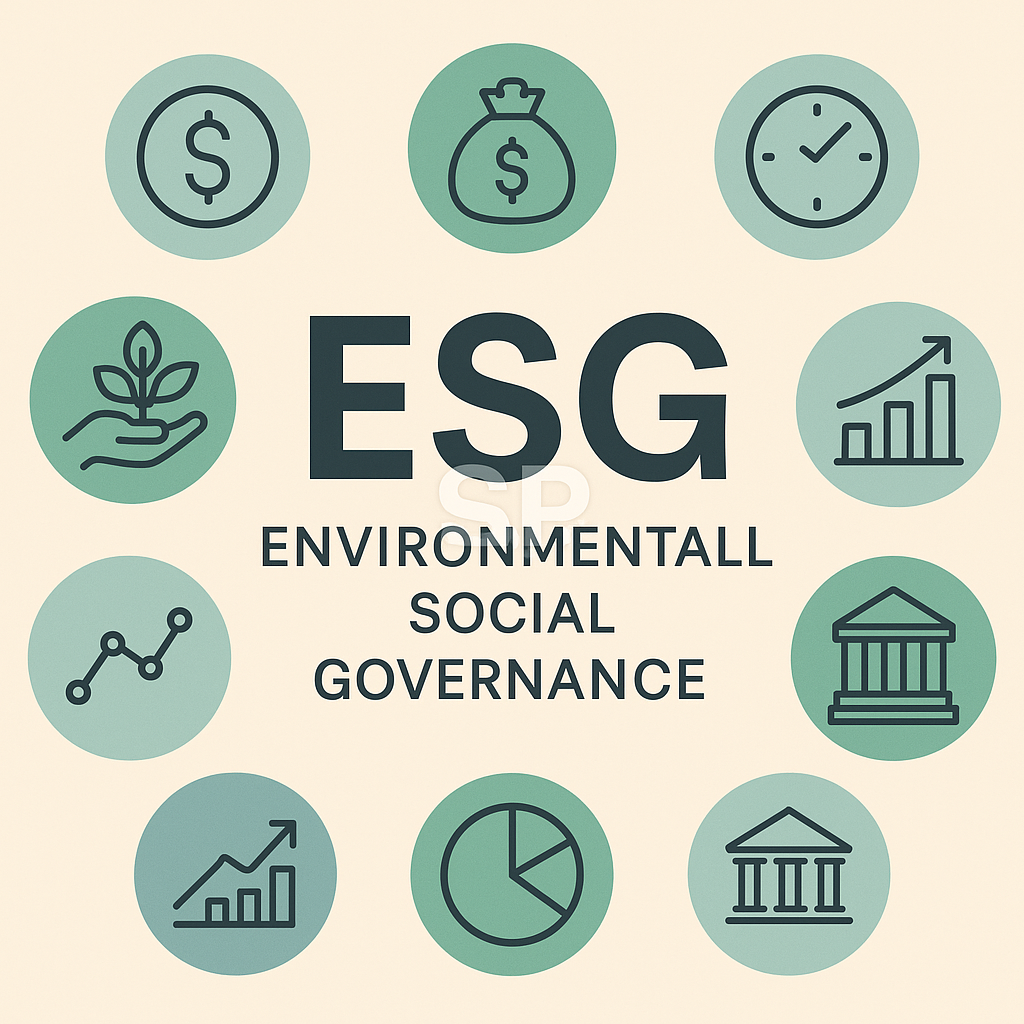
Climate risk assessment is another crucial element. As global weather patterns shift, sectors from agriculture to infrastructure face unprecedented challenges. Companies without adaptation strategies risk losing competitiveness—or even survival. For investors, this means integrating climate resilience into their evaluation process. Look for firms investing in renewable energy, developing low-carbon supply chains, or committing to net-zero targets. These measures don’t just mitigate risk—they create opportunities in emerging green industries.
Building a climate-conscious portfolio requires balancing values with diversification. Green bonds, ESG-focused ETFs, and ethical mutual funds provide access to vetted investments without requiring exhaustive individual research. However, it’s wise to mix these with carefully chosen direct investments in companies with clear sustainability roadmaps. This dual approach ensures your portfolio maintains both ethical integrity and financial performance.
The true strength of an ethical investment strategy lies in its consistency. Quarterly reviews help track ESG ratings, monitor climate risk developments, and adjust allocations. Markets evolve, and so do corporate practices; a company’s ethical standing can change rapidly due to new regulations, scandals, or leadership shifts. A routine review cycle keeps your strategy aligned with your goals while preventing drift toward unsustainable holdings.
But ethical investing is not just about protecting your assets—it’s about influence. By directing your capital toward responsible businesses, you send a clear market signal. Your choices encourage companies to adopt better practices, setting a precedent that can ripple across industries. Sharing your approach with peers, joining investor networks, and participating in shareholder advocacy amplify your impact far beyond your personal returns.
Ultimately, ethical investing is an evolving partnership between your financial ambitions and your moral compass. It’s a recognition that profitability and responsibility are not mutually exclusive but can, in fact, reinforce each other. As climate risks intensify and social expectations rise, those who embrace ESG principles now may find themselves not only on the right side of history but also in a position of enduring financial strength.
'ESG Portfolio Planning' 카테고리의 다른 글
| ESG Investing in 2025: Smart Strategies for Sustainable Wealth Growth (0) | 2025.08.23 |
|---|---|
| Am I Doing Meaning-out Too? Escaping Greenwashing Through Ethical Investing (0) | 2025.08.21 |
| ESG Management in Practice (0) | 2025.08.17 |
| Building an Ethical Investment Portfolio (0) | 2025.08.14 |
| ESG Portfolios and Climate Risk-Ready Strategies (0) | 2025.08.10 |