Ethical Investing in:) ESG Portfolios and Climate Risk-Ready Strategies
In 2025, ethical investing has moved from being a niche trend to a mainstream requirement for investors worldwide. With the growing urgency of climate change and the increased availability of ESG (Environmental, Social, Governance) data, building a portfolio that aligns with both your values and financial goals has never been more achievable—or more necessary. 🙂

The first step in ethical investing is understanding your priorities. Are you most concerned about environmental sustainability, social impact, or corporate governance? Defining these priorities allows you to filter potential investments through a clear lens and avoid companies whose practices conflict with your values.
ESG portfolios are designed to integrate these priorities into actionable strategies. By selecting funds or stocks with strong ESG ratings, you can contribute to positive environmental and social outcomes while pursuing long-term returns. Many investors are now using ESG index funds or ETFs as the foundation of their portfolios, ensuring broad diversification without compromising on ethics.
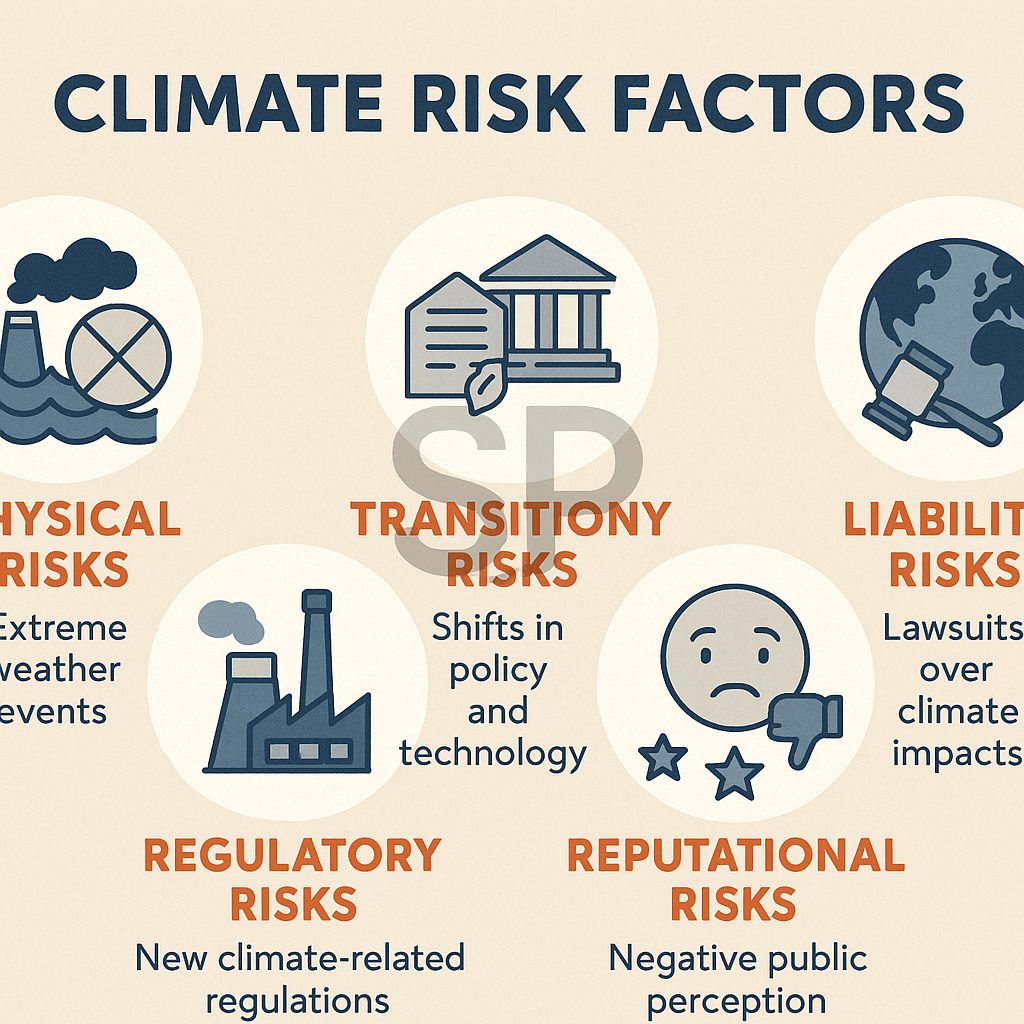
Climate risk is a critical consideration in 2025. Companies are increasingly evaluated not only on their current environmental performance but also on their preparedness for future climate-related challenges. This includes assessing their carbon footprint, energy sources, and resilience plans for extreme weather events. 😉
Diversification within ethical investing goes beyond industries and regions—it includes varying the degree of ESG focus. Some investors allocate a portion of their portfolio to “impact investments” with measurable social or environmental benefits, while keeping another portion in companies that are transitioning toward more sustainable practices.
Technology has made monitoring and optimizing ESG portfolios easier than ever. Platforms now offer real-time ESG scoring, portfolio carbon footprint calculators, and alerts when a company’s practices change. By combining these tools with regular portfolio reviews, you can ensure your investments remain aligned with your principles. 🚀
Reader Insights:
How can I start an ESG portfolio with limited capital?
A: Consider ESG-focused ETFs, which provide diversified exposure at a relatively low cost.
Is ethical investing less profitable?
A: Not necessarily—many ESG funds have matched or even outperformed traditional benchmarks in recent years.
Key Takeaway:
Ethical investing is about aligning your money with your values while preparing for the future. A well-structured ESG portfolio can deliver both purpose and performance.
Ethical investing in 2025 is no longer limited to niche funds or a handful of “green” companies—it’s a comprehensive investment philosophy shaping global markets. Investors are increasingly aware that financial performance and ethical considerations are not mutually exclusive, and that preparing for climate-related risks is a necessity rather than a choice.
At the heart of this movement lies the ESG framework—Environmental, Social, and Governance factors—that help evaluate a company’s holistic impact. Environmental metrics cover a company’s carbon emissions, resource usage, and energy sources. Social factors examine workplace diversity, labor practices, and community engagement. Governance assesses leadership accountability, transparency, and shareholder rights. By aligning investments with ESG principles, you position your portfolio to support businesses driving positive change while mitigating long-term risks. 🙂
Climate risk, in particular, has emerged as a defining theme in portfolio strategy. Extreme weather events, stricter environmental regulations, and shifts in consumer preferences are already reshaping industries. Forward-looking investors are analyzing which sectors are most vulnerable—such as fossil fuels and traditional manufacturing—and reallocating capital toward companies that are resilient or poised to benefit from a low-carbon economy. This could include renewable energy producers, electric vehicle manufacturers, and tech firms specializing in energy efficiency solutions.
For new investors, starting small with ESG-focused ETFs can be an efficient way to gain diversified exposure while minimizing costs. These funds bundle companies with strong ESG scores, reducing the burden of researching each firm individually. Over time, you can layer in more targeted investments—like green bonds, impact funds, or direct stakes in mission-driven startups—to align your portfolio more closely with your personal values. 😉
Risk management in ethical investing also means regularly reviewing both the financial performance and the ESG performance of your holdings. A company’s practices may change over time, for better or worse. Using modern portfolio tracking tools that offer real-time ESG updates and carbon footprint calculators ensures that your investments remain aligned with your goals without requiring constant manual oversight.
Finally, ethical investing isn’t static—it evolves as global challenges and opportunities shift. Staying informed on new sustainability regulations, innovations in clean technology, and emerging social issues will help you adapt your strategy. Just as importantly, sharing your journey with other investors can amplify the impact of your decisions, encouraging more people to align their capital with the world they want to see. 🚀
'ESG Portfolio Planning' 카테고리의 다른 글
| ESG Investing in 2025: Smart Strategies for Sustainable Wealth Growth (0) | 2025.08.23 |
|---|---|
| Am I Doing Meaning-out Too? Escaping Greenwashing Through Ethical Investing (0) | 2025.08.21 |
| ESG Management in Practice (0) | 2025.08.17 |
| Building an Ethical Investment Portfolio (0) | 2025.08.14 |
| Ethical Investment Routines for a Resilient Future (0) | 2025.08.12 |