Ethical Investing: Building a Sustainable Portfolio for the Future
In recent years, ethical investing has transformed from a niche concept into a mainstream strategy. As global awareness of climate change, social responsibility, and corporate governance grows, investors are demanding more transparency and accountability from the companies they support. The idea is simple: your money should not only generate profit but also contribute to positive change in the world.

One of the core aspects of ethical investing is ESG—Environmental, Social, and Governance. Companies are evaluated not just on financial performance but also on how they manage their carbon footprint, treat employees, and maintain corporate ethics. For investors, adopting an ESG strategy means aligning values with financial goals, creating portfolios that balance profitability with sustainability.
Building a sustainable portfolio involves a mix of approaches. Some investors exclude industries like fossil fuels, tobacco, or weapons. Others actively seek out companies leading in renewable energy, clean technology, or fair labor practices. Exchange-traded funds (ETFs) focused on ESG have made this process more accessible, giving retail investors the ability to diversify without sacrificing their ethical stance.
Another crucial element is managing climate risk. Extreme weather events, regulatory shifts, and carbon taxes can all impact corporate profits. By factoring in these risks, investors can avoid potential losses while positioning themselves in industries likely to thrive in a low-carbon future. For example, renewable energy firms, electric vehicle producers, and sustainable agriculture are increasingly seen as long-term winners.
Critics sometimes argue that ethical investing means sacrificing returns, but evidence increasingly suggests otherwise. Studies show that ESG-focused portfolios often perform on par with or even outperform traditional portfolios, particularly during times of market volatility. Responsible companies tend to manage risks better, adapt faster to regulations, and build stronger reputations with customers.

At its core, ethical investing is not about choosing between profit and principles—it’s about proving that the two can coexist. Investors who adopt responsible finance strategies are not only safeguarding their wealth but also contributing to a healthier planet and fairer society. As the movement grows, more tools and opportunities will emerge, making it easier for individuals to put their money where their values are.
In 2025 and beyond, the question for investors is no longer “Why should I invest ethically?” but “Why wouldn’t I?” Aligning financial goals with global progress is becoming the standard, not the exception.
The true power of ethical investing lies in its long-term vision. Traditional investing often focuses on quarterly profits, but ethical strategies emphasize resilience and sustainability over decades. By evaluating how companies handle environmental challenges, labor rights, and governance practices, investors can better predict which businesses will thrive in a future defined by accountability and transparency.
One of the most important aspects of this approach is understanding that money is not neutral. Every dollar invested supports certain industries and practices. By shifting capital away from polluting or exploitative companies and toward sustainable alternatives, investors send a clear market signal. In fact, the growth of ESG funds over the last five years shows how collective demand can reshape entire industries. Energy companies are pivoting toward renewables, and manufacturers are adopting greener supply chains—all driven in part by the rise of responsible finance.
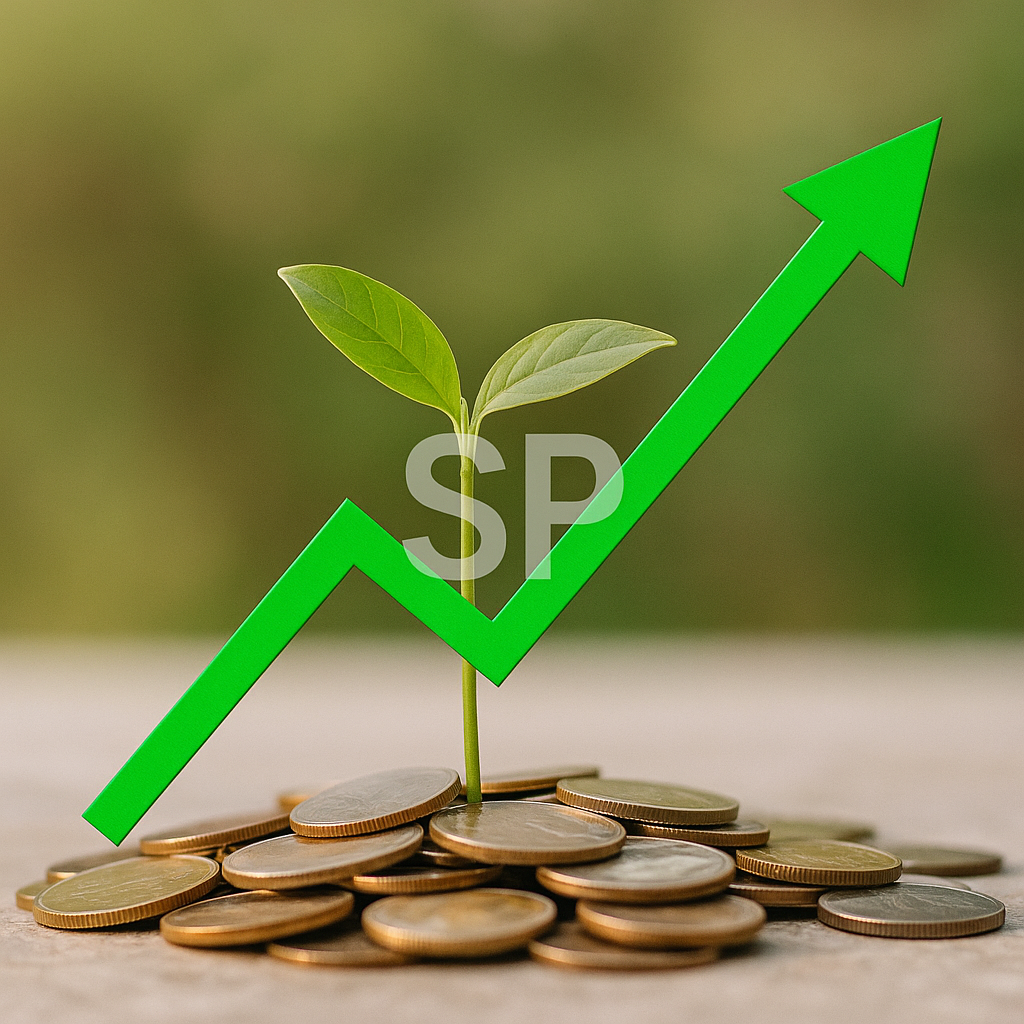
Another advantage of ethical investing is risk mitigation. Companies ignoring climate change or social responsibility often face lawsuits, regulatory penalties, or reputational damage. For example, firms failing to disclose carbon emissions may find themselves excluded from major indexes. By incorporating climate risk into portfolio decisions, investors can avoid these pitfalls while identifying leaders in renewable energy, sustainable infrastructure, and clean technology.
Building a sustainable portfolio doesn’t require perfection. Many investors take a gradual approach—starting by excluding industries they strongly oppose, then adding exposure to positive-impact sectors over time. This flexibility makes it easier for beginners to start small and expand as they gain confidence. The key is consistency. Even minor portfolio adjustments, when made thoughtfully, align investments with values while still generating competitive returns.
It is also worth noting that ethical investing opens doors to innovation. Startups focused on electric vehicles, recycling, or carbon capture are not only addressing global challenges but also creating new opportunities for growth. Venture funds dedicated to impact investing have seen strong demand, demonstrating that profitability and purpose can go hand in hand.

Skeptics may still question whether ESG strategies truly outperform. While short-term fluctuations exist, research consistently shows that companies with strong governance and sustainability practices are more adaptable in crises. During global market downturns, ESG funds have often shown lower volatility, proving that doing good doesn’t mean sacrificing stability.
In practice, ethical investing is less about exclusion and more about evolution. It’s not just saying “no” to harmful industries; it’s also saying “yes” to companies leading change. This dual approach ensures that capital flows toward businesses that are not only profitable but also beneficial for society.
Ultimately, ethical investing is about aligning financial success with personal and collective values. Investors who adopt this mindset are not only preparing for a low-carbon, socially responsible future but also accelerating its arrival. As awareness grows, more individuals are asking themselves: If my money can shape the world, what world do I want to build? That question is the driving force behind this movement—and it will only grow stronger in the years to come.