Ethical Wealth Building: Climate Risk and the Future of ESG Portfolios
In recent years, the financial landscape has undergone a major transformation as investors begin to recognize that profits and principles can coexist. 🌍 More people are asking: How can I grow my wealth while ensuring my money contributes to a better world? The answer often comes down to ethical wealth building through ESG (Environmental, Social, and Governance) portfolios.
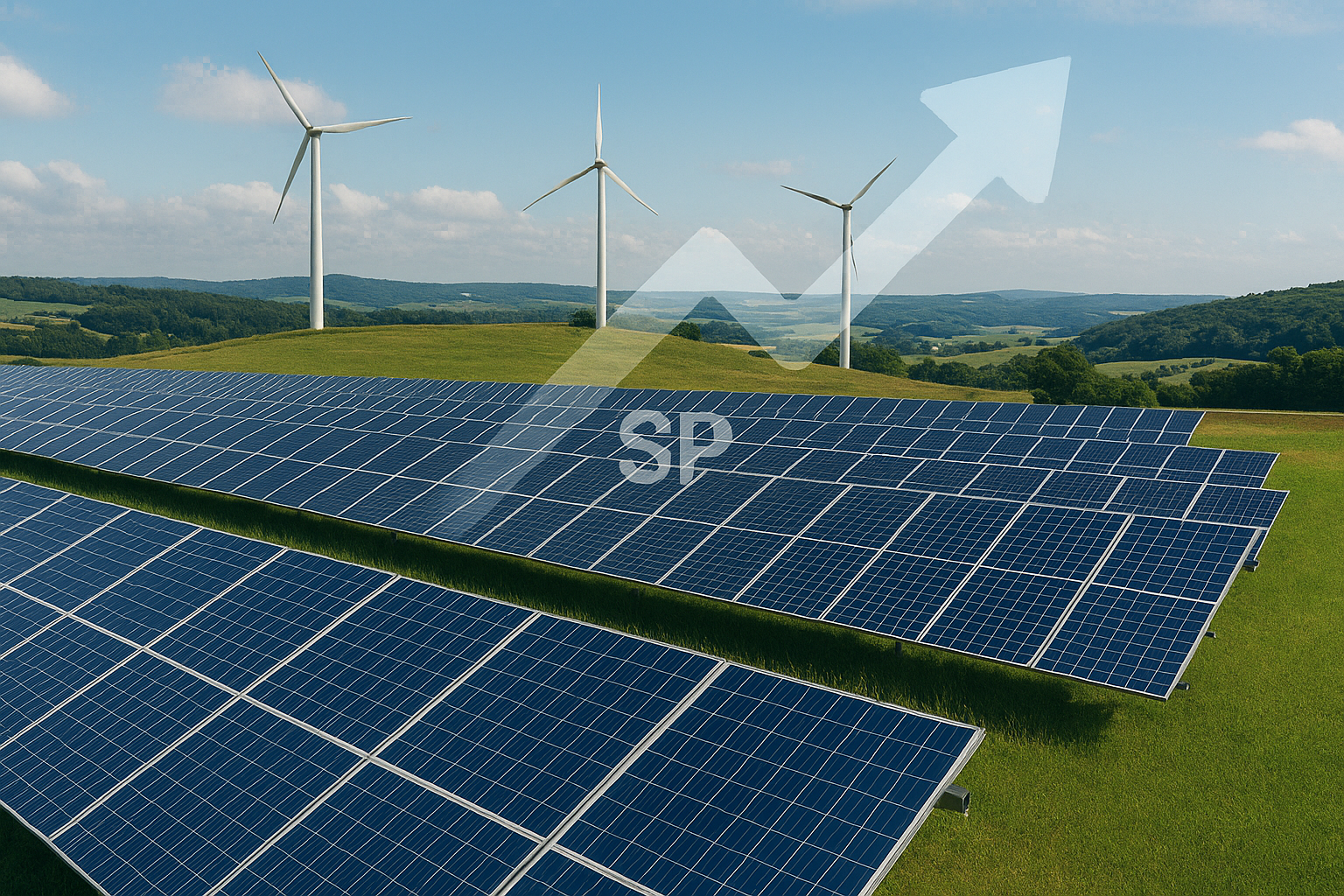
What makes ESG investing so relevant today is the growing reality of climate risk. Markets are shifting rapidly as industries face new regulations, rising costs from extreme weather, and consumer demand for sustainable practices. For investors, this is both a challenge and an opportunity. By understanding climate risk and positioning portfolios accordingly, ethical investing moves from being a “trend” to a strategic necessity.
1. Why Climate Risk Can’t Be Ignored
Climate change is no longer a distant threat—it directly impacts company valuations. Floods, wildfires, and droughts disrupt supply chains, while stricter carbon regulations increase operational costs. Companies that fail to adapt are already seeing declining stock performance. In contrast, firms that prioritize sustainability often outperform their peers in the long run. This is why ESG portfolios have become a way to hedge against climate-related risks.
2. ESG Portfolios as a Tool for Resilience
Traditional investing tends to focus on short-term returns, but ESG portfolios add another layer: resilience. By analyzing companies based on their carbon footprint, labor policies, and governance structures, investors can better predict long-term stability. For example, renewable energy firms and green technology companies not only benefit from policy support but also tap into rising consumer demand. This positions them as strong candidates for portfolio inclusion.
3. Opportunities in Sustainable Sectors
Beyond managing risk, ethical wealth building opens the door to promising growth sectors. 🌱
Renewable Energy: Solar, wind, and hydrogen technologies are projected to grow exponentially in the next decade.
Sustainable Agriculture: Companies reducing water use and adopting eco-friendly farming methods attract both subsidies and consumer trust.
Green Finance: From carbon credits to sustainable ETFs, financial products are diversifying at record speed.
Investors who align with these sectors are not just “doing good”—they’re tapping into markets expected to drive global growth.
4. Practical Steps for Investors
For those new to ESG investing, starting small is perfectly fine. Consider:
Allocating a portion of your portfolio to sustainable ETFs.
Reviewing fund fact sheets for ESG scores and climate risk exposure.
Diversifying across regions to avoid overreliance on a single market.
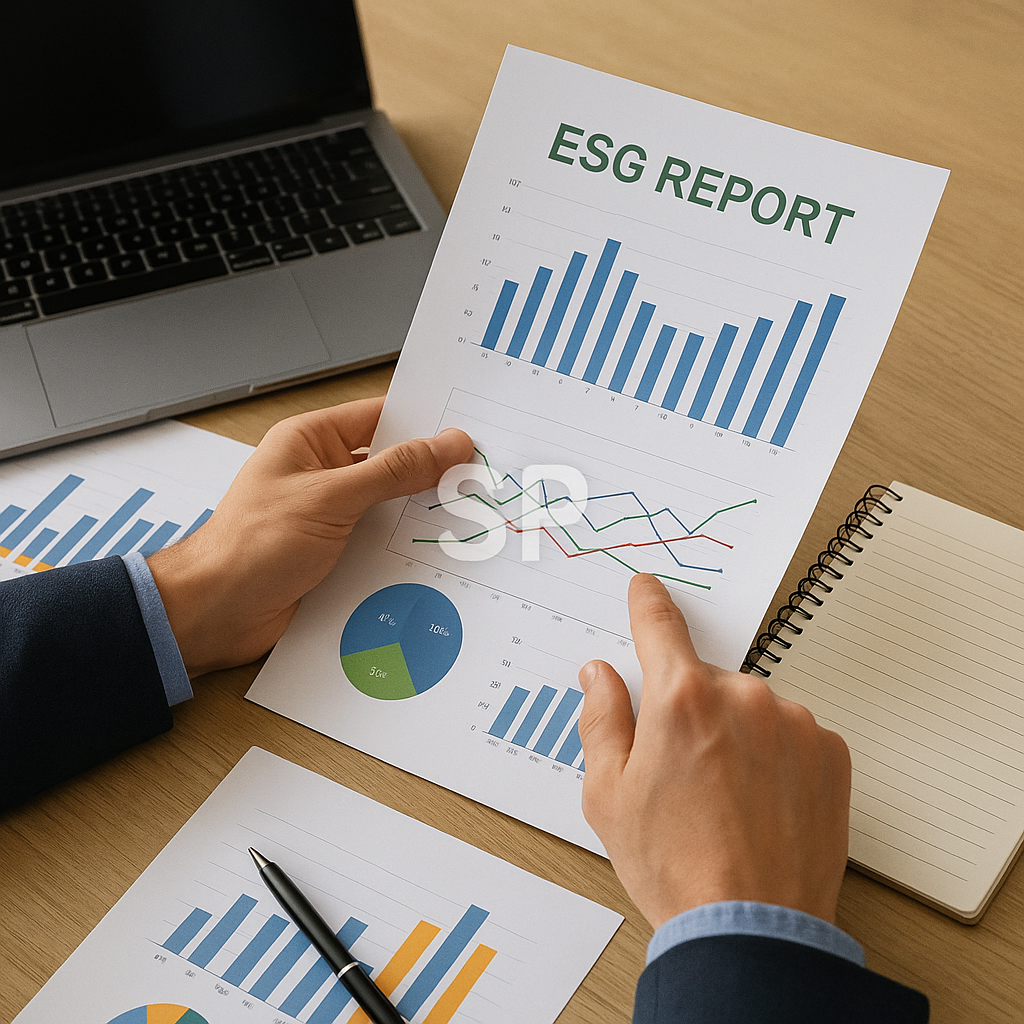
It’s also wise to stay updated with annual ESG reports from companies you’re interested in. These reports often reveal not just environmental impact but also governance quality and labor practices—factors that increasingly influence returns.
5. The Future Outlook
Looking ahead, ESG portfolios will likely become the default standard rather than the exception. Younger generations—Millennials and Gen Z—are prioritizing sustainability in both consumption and investments. Regulations are also catching up, forcing companies to disclose climate risks more transparently. For investors, the question is no longer if they should adopt ESG strategies, but how quickly they can adapt.
Extra Tip: Avoiding Greenwashing
Not all “green” products are genuinely sustainable. Be cautious of funds that brand themselves as eco-friendly without transparent reporting. Always check third-party ESG ratings and independent audits to verify claims. This ensures your money truly supports ethical practices rather than marketing gimmicks.

Every investment tells a story about what we value. By integrating ESG principles and accounting for climate risk, investors can build wealth that not only sustains their future but also contributes to a healthier planet. And perhaps, that’s the kind of return that matters most. 🌎✨
Ethical wealth building is more than a financial strategy—it’s a mindset that redefines how we approach long-term prosperity. 🌱 Investors today are not only asking “How much can I earn?” but also “What impact will my capital have on the planet and society?” This perspective is reshaping global markets, and nowhere is it more evident than in the growth of ESG-driven portfolios.
One of the strongest arguments for integrating ESG is the clear connection to climate risk. Rising sea levels threaten coastal infrastructure, droughts reduce agricultural output, and wildfires disrupt entire supply chains. These aren’t isolated events—they directly influence company revenues and investor returns. When climate instability becomes a financial variable, ignoring it is no longer an option. That’s why forward-thinking investors are building strategies that measure resilience as carefully as profit margins.
Another layer of this conversation is social responsibility. Companies are increasingly judged on how they treat their workers, source materials, and engage with local communities. Investors aligning with socially responsible firms often see stronger brand loyalty and reduced reputational risk. For example, studies show that businesses prioritizing diversity and fair labor practices tend to outperform peers in both innovation and employee retention. Ethical investing, therefore, doesn’t just safeguard the environment—it builds corporate cultures capable of thriving in complex markets.
What about the role of governance? Strong governance structures—transparent leadership, anti-corruption measures, and responsible shareholder policies—are often underestimated drivers of stability. History is full of examples where poor governance destroyed shareholder value overnight. ESG portfolios help filter out these vulnerabilities, leaving investors with companies that are better prepared to adapt to change.
It’s also important to recognize that ESG portfolios aren’t just for large institutions. Individual investors now have access to a growing range of tools: ESG ETFs, robo-advisors with sustainable screens, and apps that let you track carbon exposure in your holdings. This democratization means even small-scale investors can align personal values with financial goals. For many, this alignment creates stronger confidence and emotional connection to their portfolios—something that traditional investing rarely delivers.
Skeptics often bring up the risk of greenwashing, where companies exaggerate their sustainability credentials. And yes, this is a valid concern. But increased regulation is gradually closing that gap. In the European Union, for example, the Sustainable Finance Disclosure Regulation (SFDR) requires funds to classify and disclose their ESG standards. Similar frameworks are emerging in Asia and North America. Over time, the lack of transparency will itself become a red flag for investors, driving better practices across industries.
Looking to the future, ethical wealth building will likely evolve into a mainstream standard rather than an optional niche. Generational shifts are a big part of this trend. Surveys show that more than 70% of Millennials and Gen Z investors prefer to invest in companies addressing social and environmental challenges. As these generations inherit greater wealth, their preferences will shape global capital flows. 🌍
In practice, this means ESG funds will grow not just in popularity but also in sophistication. We’ll see more specialized products: climate-adaptive real estate funds, biodiversity-focused bonds, and carbon-neutral retirement plans. Investors who understand these developments early will not only preserve wealth but actively grow it by riding the wave of sustainable transformation.
At its heart, ethical wealth building is about balance—balancing risk with resilience, returns with responsibility, and personal prosperity with planetary health. Investors who embrace this balance today are not just securing their financial future; they’re shaping the economic systems of tomorrow. And that might be the most powerful legacy an investor can leave. ✨